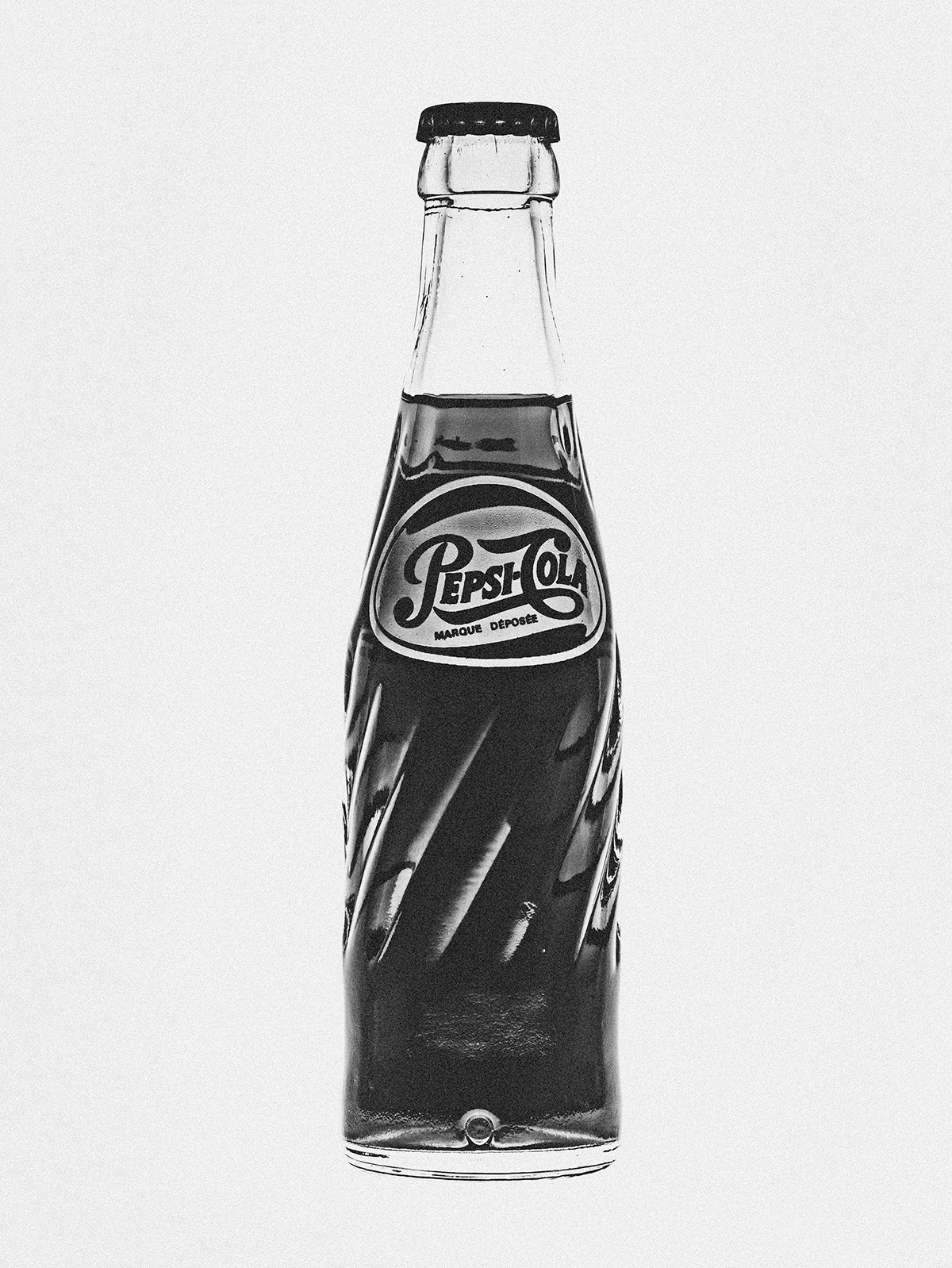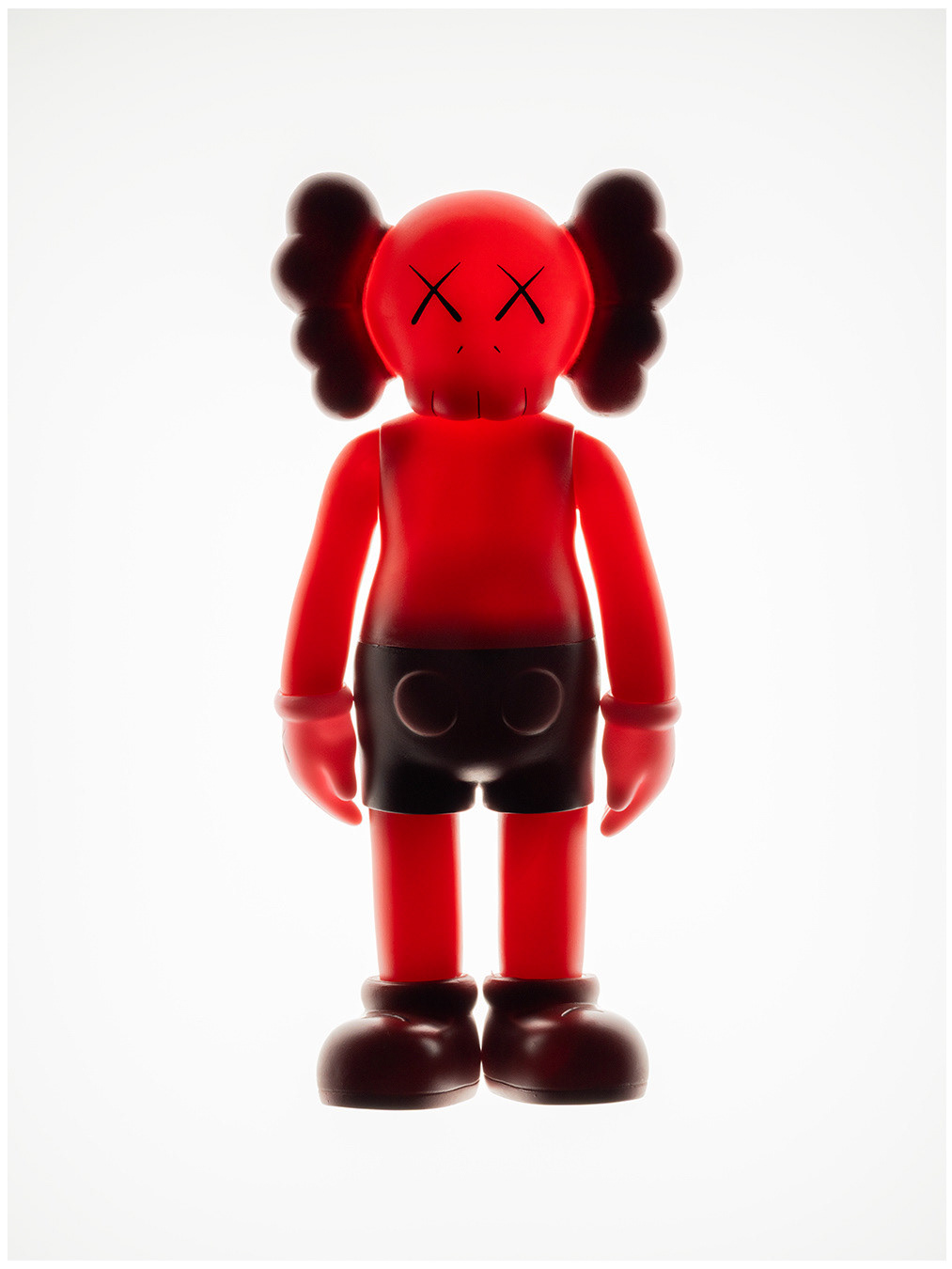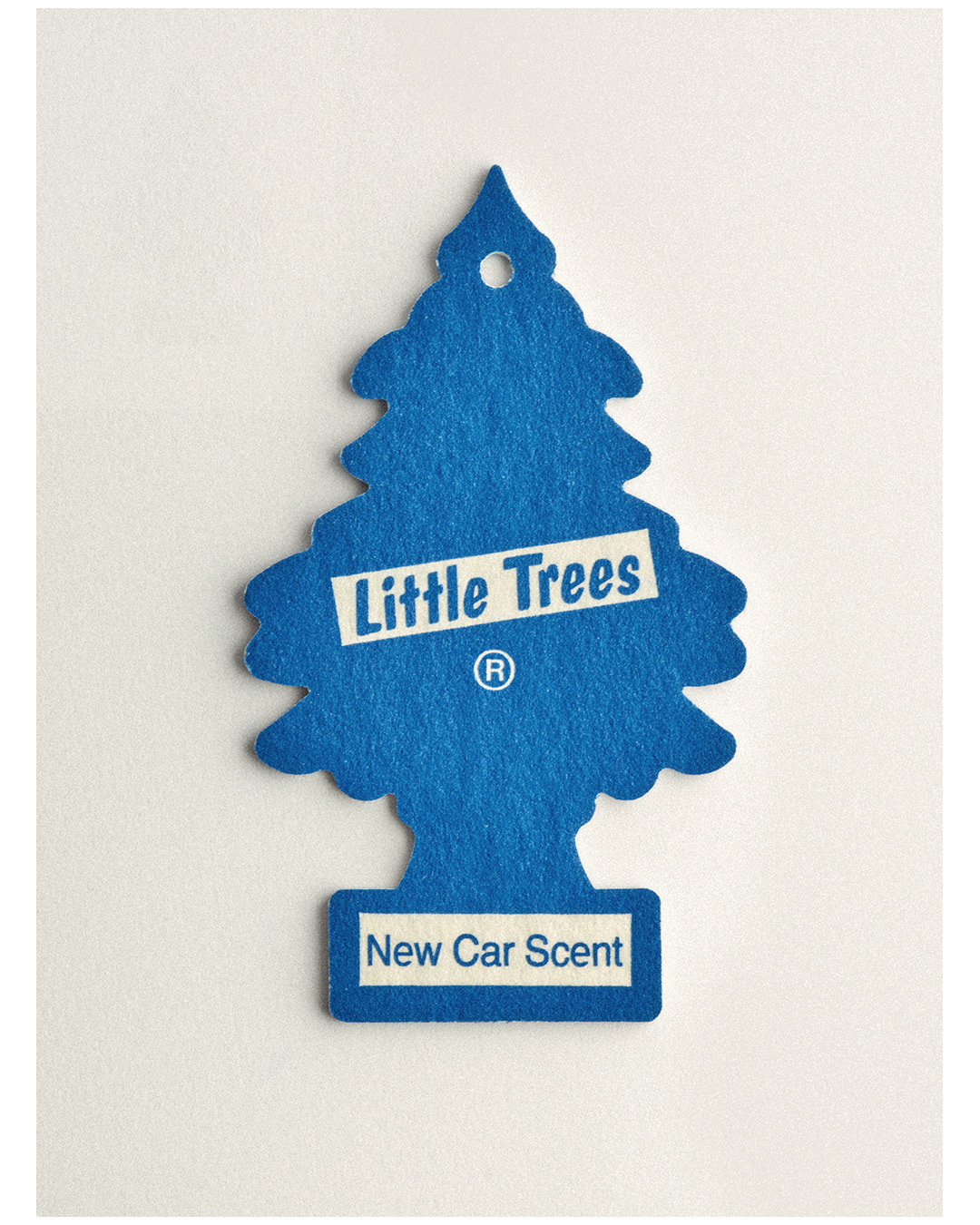
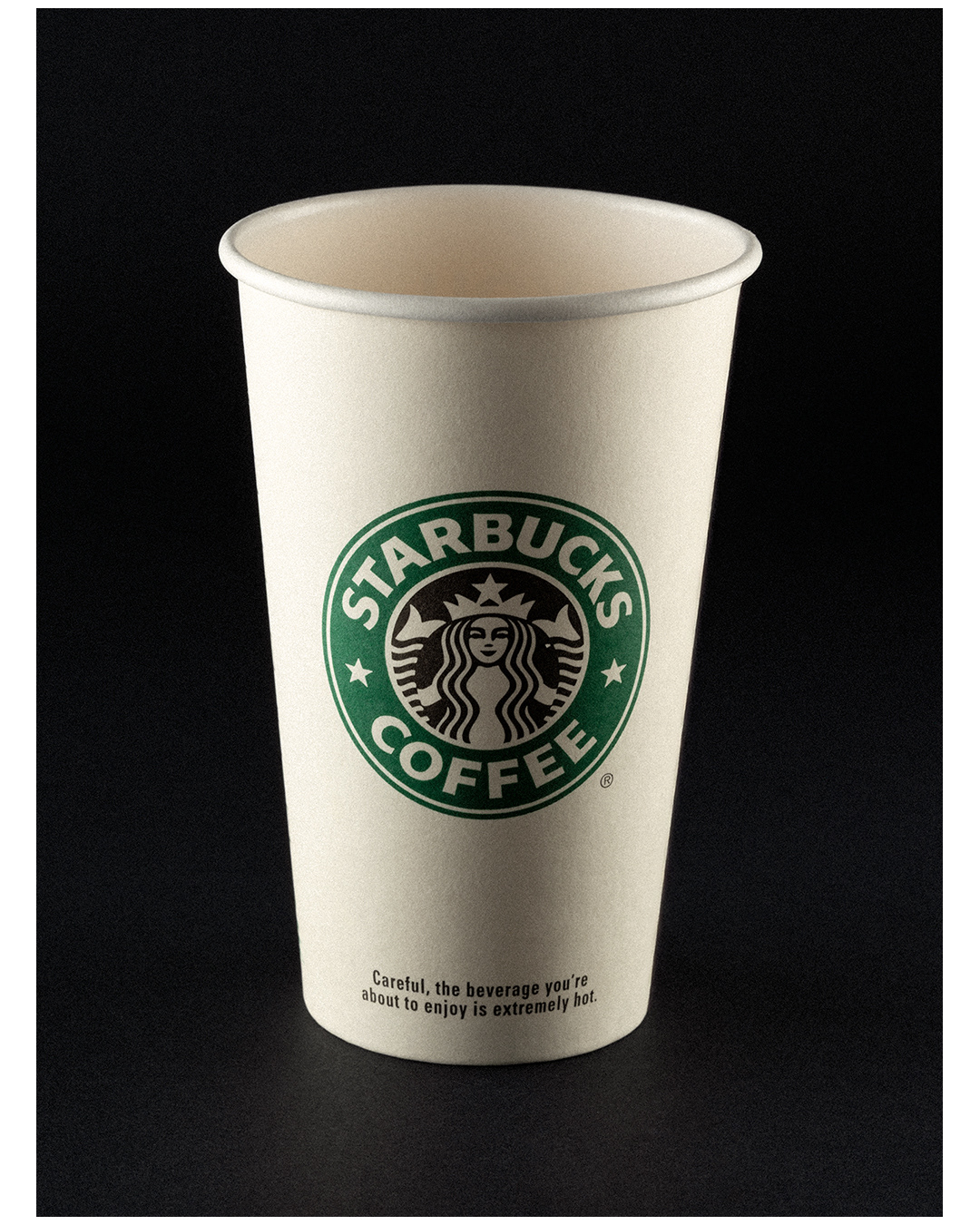
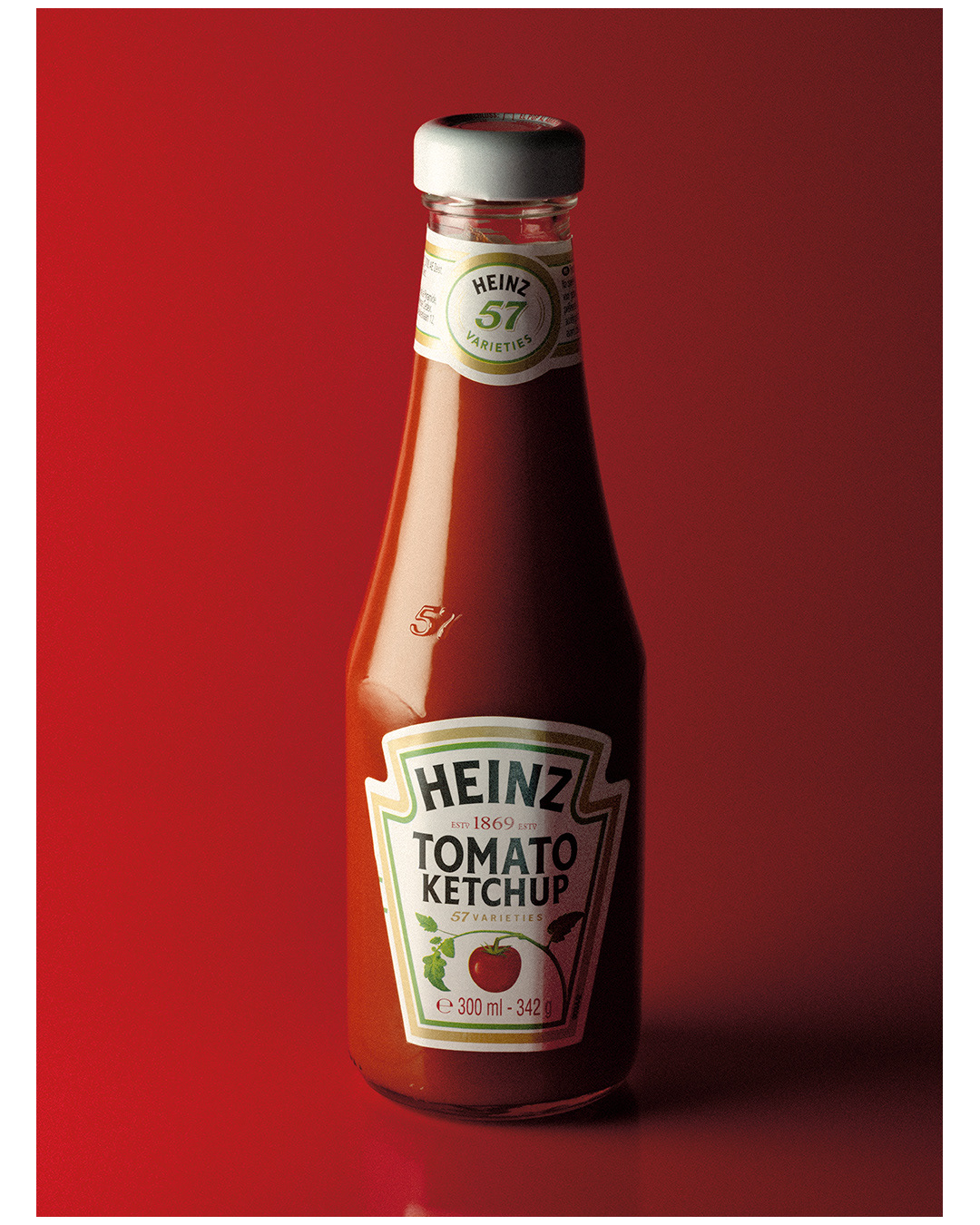
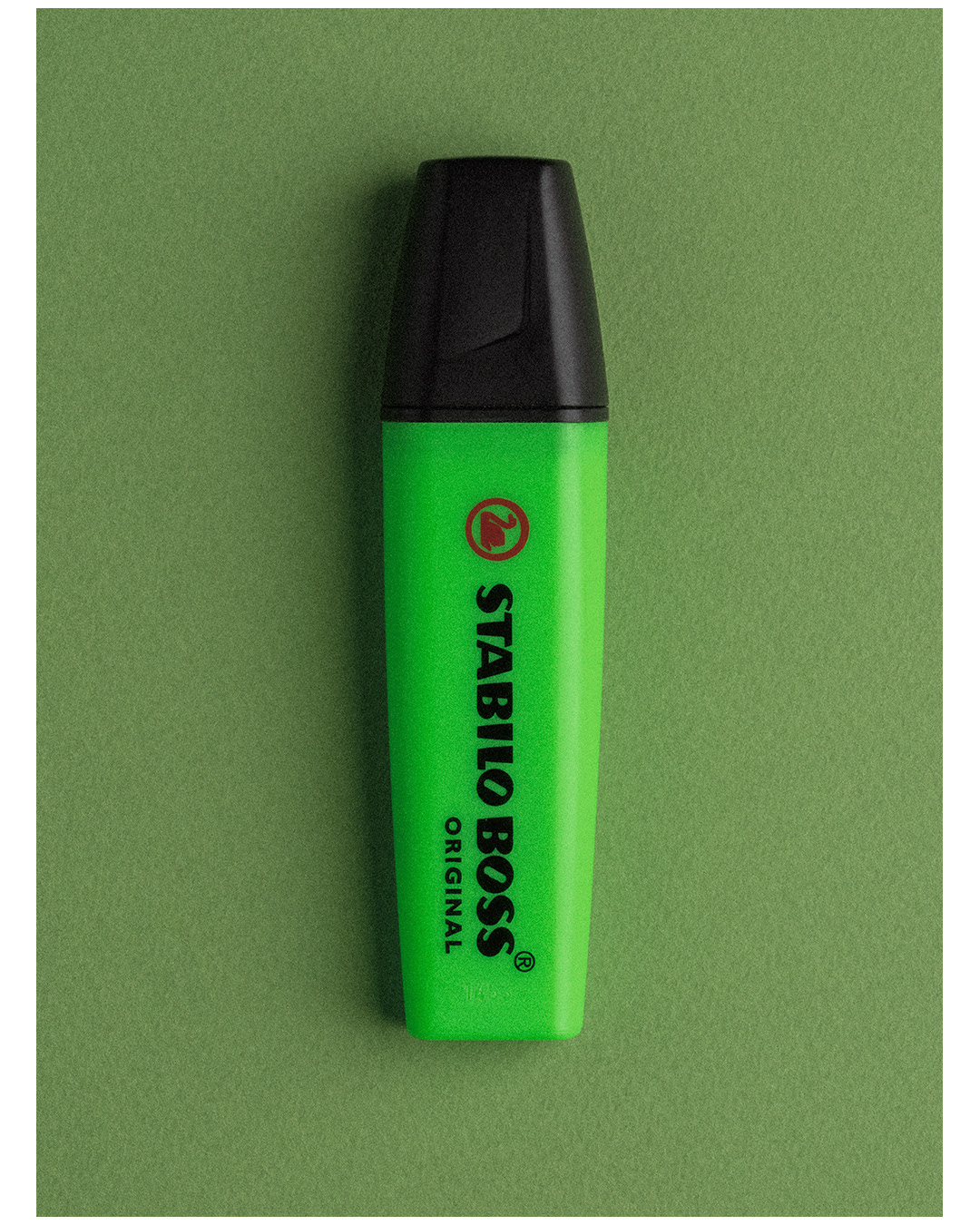
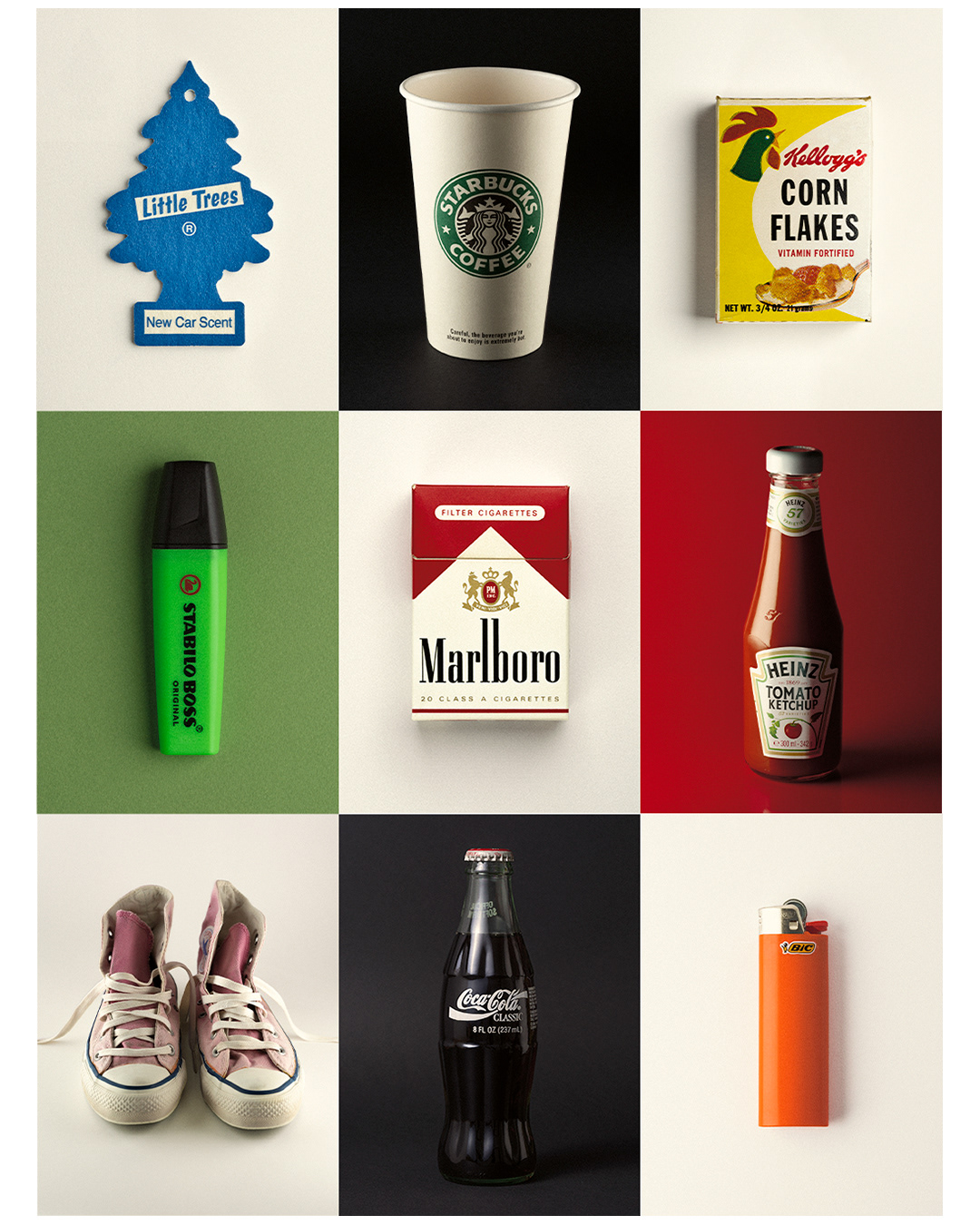
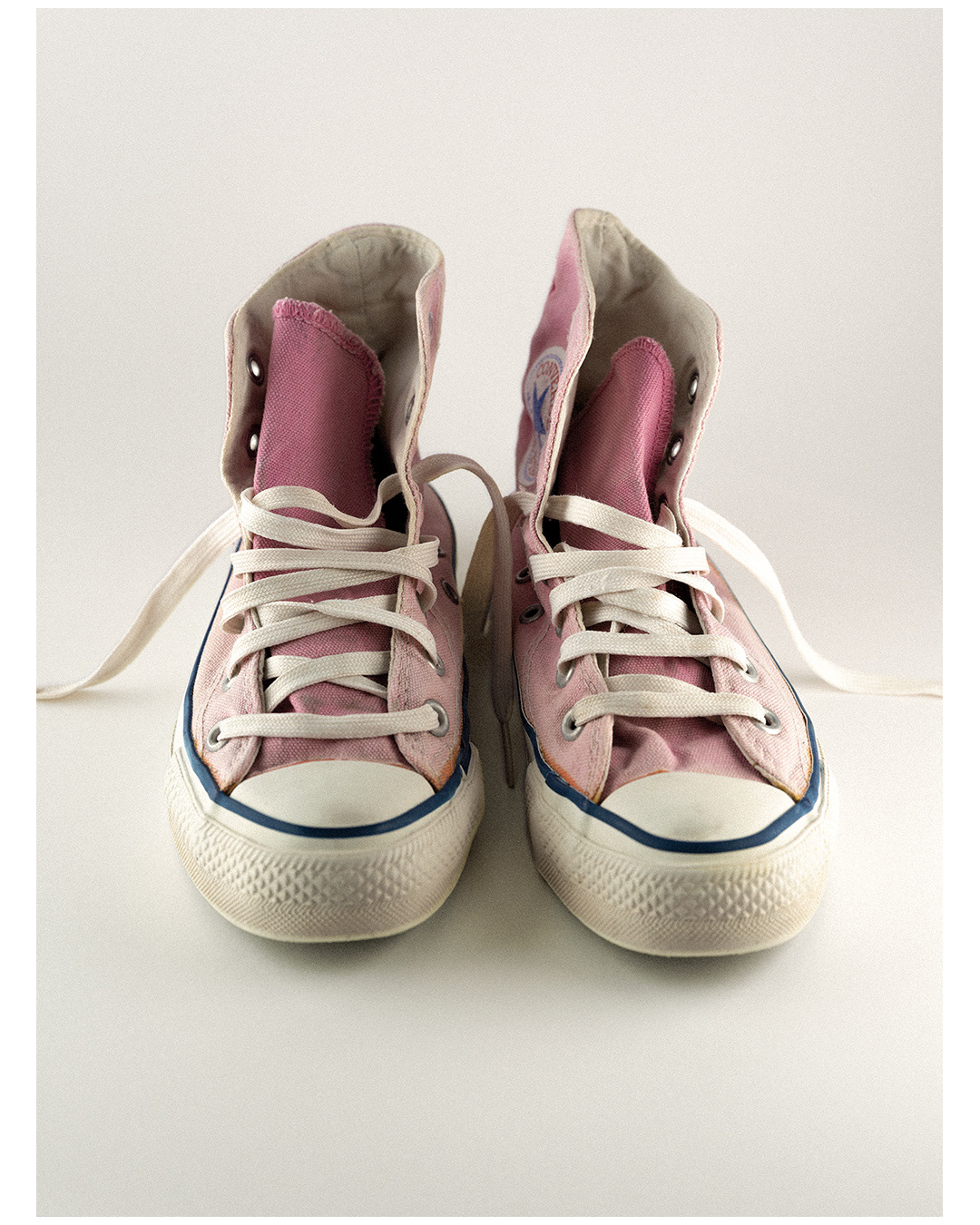
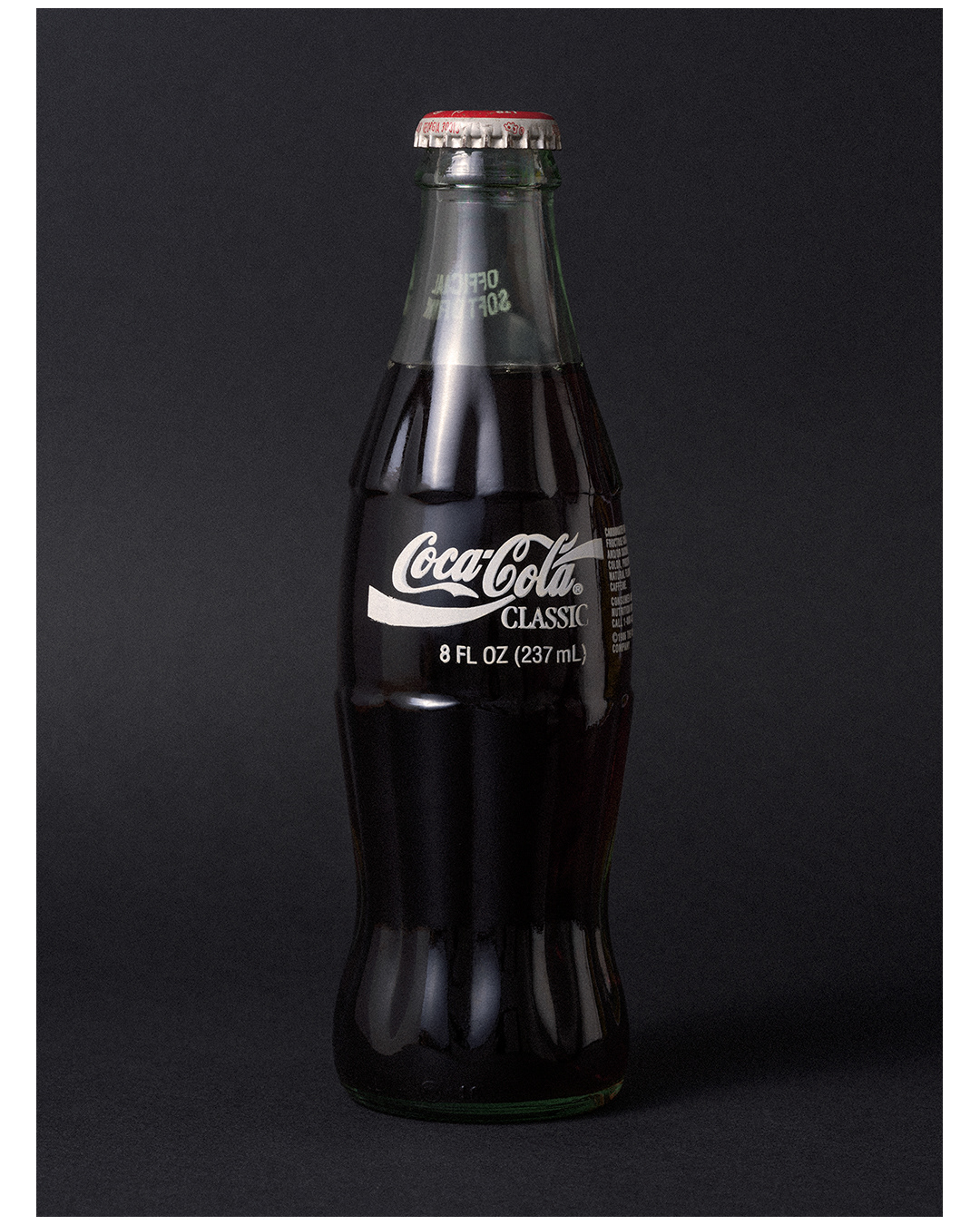
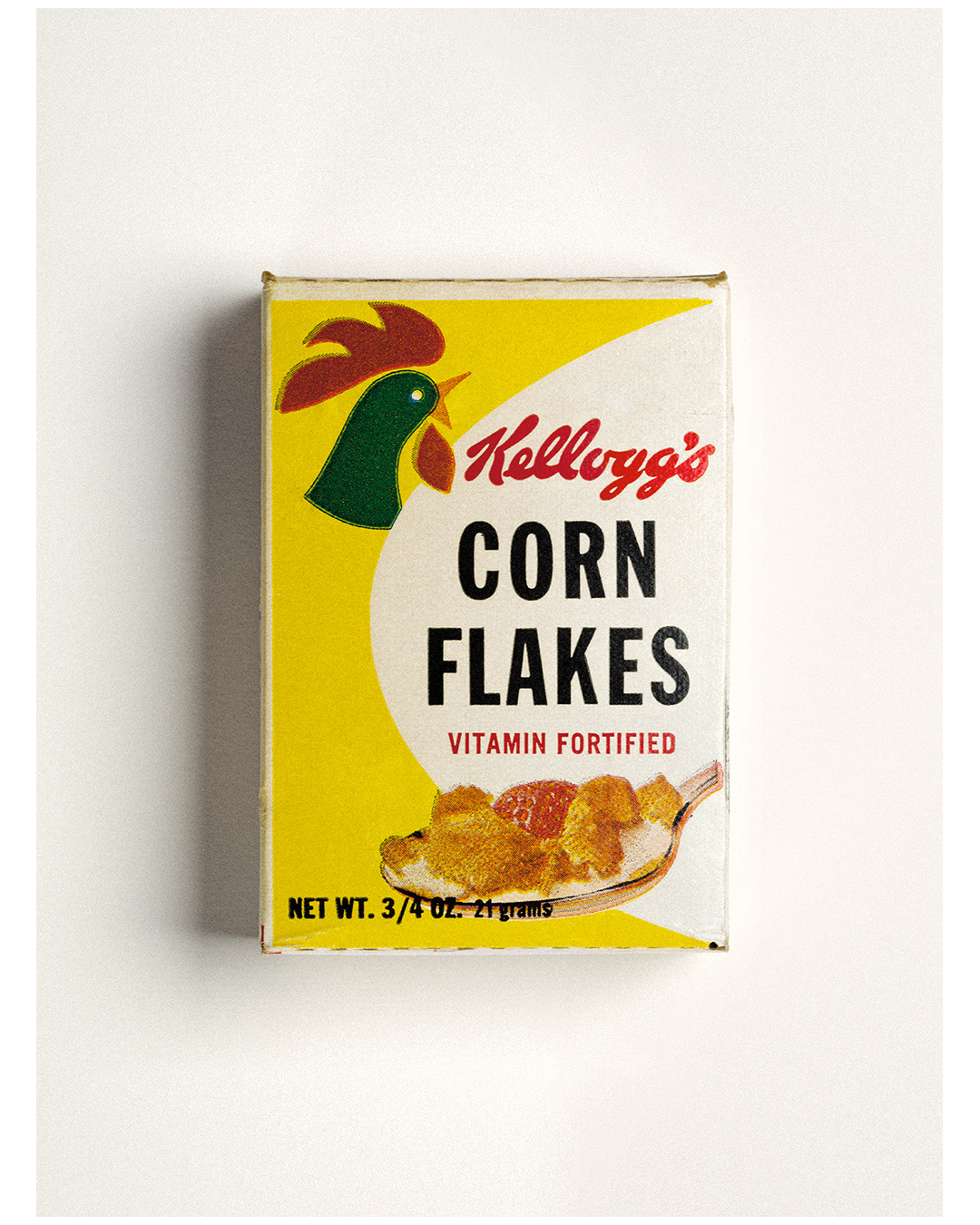
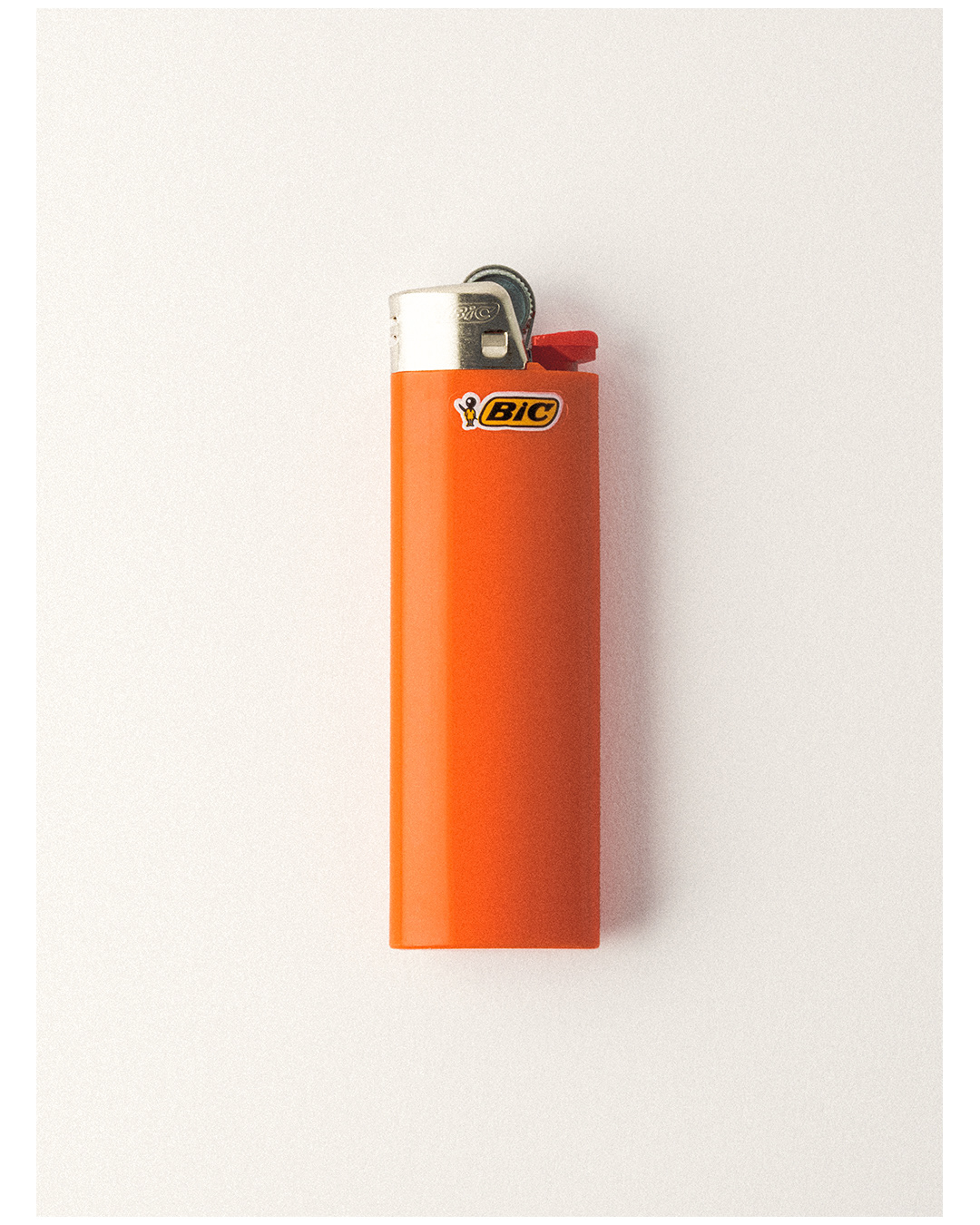
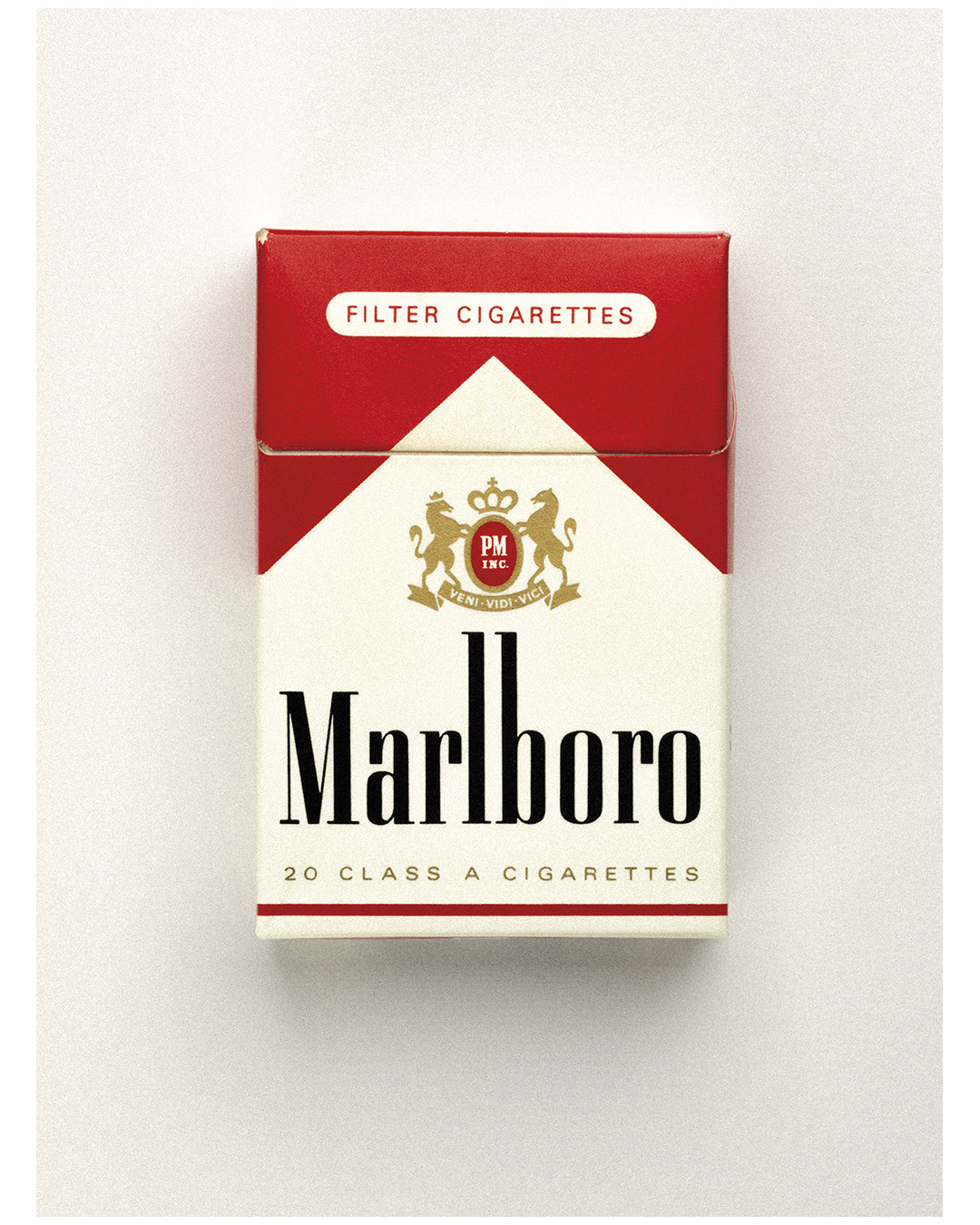

This work takes hold of "common objects" and addresses them in our present. Consumer society has created an aesthetic of recurrence, a rhetoric of desire based not on message but on form. The bottle we recognize before reading its name, the packaging whose shape hasn't changed in three decades, the object whose color alone is enough to evoke a product, a brand. These everyday objects become cultural manifestos. Their logo, their signature color, their familiar silhouette no longer simply sell a product: they structure a sense of belonging, transcend domestic generations, and trace invisible lines from one generation to the next.